Lessons from Islamic History: The Umar ibn Abdul Aziz Model
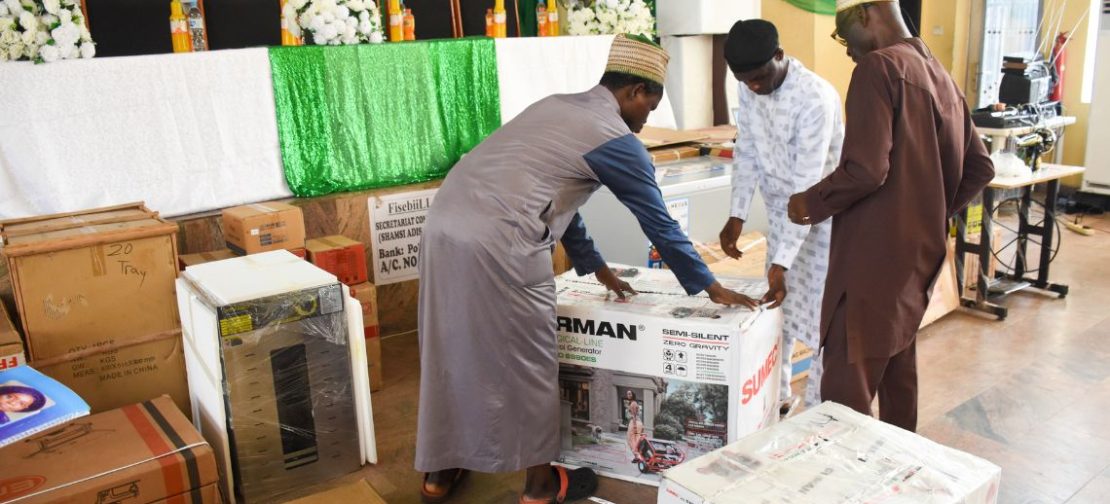
During the last 13th edition of the Zakat and Sadaqat Foundation (a wing of The Companion) in wealth distribution in Lagos and other states in Nigeria, the guest speaker, Imam Imran Adeniyi Rufai, Director of the Arabic Village and Founder of the Love and Mercy Foundation, delivered a powerful lecture on the transformative potential of zakat when integrated into broader public welfare systems.
Drawing lessons from the era of Umar ibn Abdul Aziz, the Umayyad Caliph renowned for social justice and equitable wealth distribution, Imam Rufai noted that poverty reduction is achievable when leadership is intentional, accountable, and committed to structured welfare systems. He recalled that during the Caliph’s administration, zakat distribution was reportedly so effective that officials struggled to find eligible recipients—a benchmark for effective governance and social welfare.
However, he observed that the present reality is different, despite the existence of zakat institutions and sadaqat foundations in many Muslim societies.
“While efforts exist in many places today, they are not sufficiently coordinated or effective in achieving long-term impact,” he said.
Advocating for Integrated Welfare Systems
Imam Rufai explained that zakat affects the giver, the recipient, and society at large. While it purifies wealth and strengthens faith for donors, it is meant to provide sustainable empowerment for beneficiaries and promote social balance in society.
He attributed current challenges to weak government involvement in poverty alleviation, arguing that many states have left welfare responsibilities largely to private initiatives and religious organisations. The Muslim scholar called for stronger synergy between government institutions, zakat organisations, and individuals, noting that some countries have successfully integrated zakat administration into public welfare structures for improved efficiency.
He also stressed the need for structured monitoring and follow-up mechanisms to ensure that beneficiaries are guided towards long-term economic independence rather than receiving temporary relief.
Zakat Designed for Empowerment, Not Temporary Relief
The Lagos District Amir of The Companion, Alhaji Abdulkabeer Baruwa, emphasised that the essence of zakat is to move beneficiaries from dependency to empowerment and ultimately to productive participation in society.
He explained that the annual intervention was designed not just to provide temporary relief, but to equip beneficiaries with the capacity to stand on their own and contribute meaningfully to economic development. Alhaji Baruwa confirmed that the current edition recorded improved participation compared to the previous year, with increased confidence from donors translating into higher collections and wider reach.
He urged zakat committees to intensify public sensitisation so that more eligible Muslims can fulfil their obligation, while also expanding the beneficiary base for greater impact. For beneficiaries, he encouraged prudent use of the support received, stressing that the objective is to ensure they eventually become contributors to the system rather than perpetual dependents.
Zakat as a Pillar of Social Justice
Dr. Ahmed Tunde Popoola, former National Amir of The Companion and Managing Director of CRC Credit Bureau Limited, described zakat as a divine obligation that promotes social justice and economic equity. According to him, the Foundation’s interventions reflect the principle of empowering beneficiaries with tools for long-term independence rather than short-term handouts. He further urged wealthy Muslims to consistently fulfil their zakat obligations, noting that increased participation would expand the reach and impact of empowerment initiatives.
Beneficiaries Speak: Stories of Hope and Transformation
Hajia Mubarakah Tiamiyu, creative director of MB Aparel and one of the beneficiaries, expressed profound gratitude for the intervention, describing the support as timely assistance for entrepreneurs facing economic challenges. She noted that the support came at a critical moment for her business, providing relief that would have otherwise strained her personal capital. She described the intervention as a significant boost to her operations and prayed for continued blessings upon the organisers and donors.
In Oyo State, beneficiaries Mr. Abdur-Rasak Obidiran and Hajiya Taiwo Badmus expressed gratitude to the organisation for the support, praying for Allah’s continued blessings and strength for The Companion in its efforts toward the development of Islam and the welfare of Muslims in society.
A Call to Action: Join the Caravan of Givers
The Companion Zakat and Sadaqah Foundation invites you to be part of this noble cause. Your contribution—no matter the size—can change a story, lift a family, or send a scholar back to school.
Donate Today:
Zenith Bank – 1012864185 (The Companion Zakat Fund)
Follow Us:
-
Facebook: The Companion Zakat Fund
-
Instagram: @thecompanionzakatfunds
Contact: Shaffi – 08126541345
“The example of those who spend their wealth in the way of Allah is like a grain that grows seven ears, in every ear a hundred grains.”
— Qur’an 2:261
The Companion Zakat & Sadaqah Foundation: Purifying Wealth. Empowering Lives. 🕌✨